



You should check that Paragard® is in the right place by feeling the threads once a month. Your healthcare provider should teach you how to do this during your placement appointment so you feel comfortable doing it on your own.
Regular monthly thread checks are recommended for ensuring your Paragard IUD remains properly positioned and continues providing effective contraception for up to 10 years.
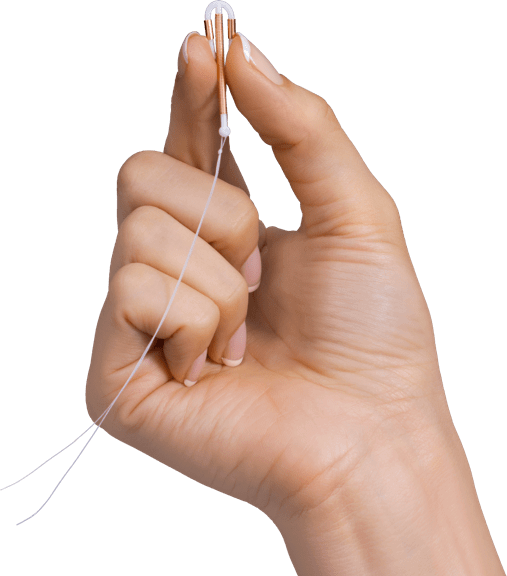
How To Do a Paragard® Thread Check
- Start by washing your hands thoroughly with soap and water to prevent infection.
- Find a comfortable position, such as sitting on the toilet or squatting.
- Reach up to the top of your vagina with clean fingers to feel the 2 threads. Do not pull on the threads.
- The threads should feel like thin fishing line and should extend about 1-2 inches from your cervix.
If you feel changes in the length of the threads, you cannot feel the threads, or you can feel any other part of Paragard other than the threads, Paragard may not be in the right place and may not prevent pregnancy. If this happens, use back-up birth control and call your healthcare provider right away.
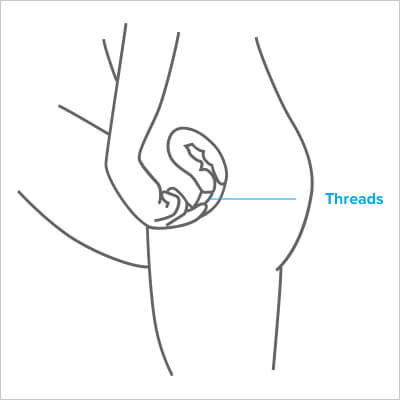
You should be able to feel the short threads attached to Paragard with your finger.
Additional Paragard® Care Tips
When to Schedule Follow-Up Appointments
Schedule regular check-ups with your healthcare provider to ensure your paragard remains properly positioned. Most providers recommend a follow-up visit after your first period. During these visits and your annual exam, your provider will confirm proper placement and address any concerns about your IUD experience.
Normal vs. Concerning Symptoms
It’s normal that you may experience some cramping in the first few months after Paragard insertion. However, contact your healthcare provider if you experience severe pain, heavy bleeding, fever, or unusual discharge, as these may indicate complications requiring immediate attention.
