




Most Women With Insurance Can Get Paragard® at No Cost
Paragard® is fully covered under most insurance plans through the Affordable Care Act. This typically means no co-pay, deductible or out-of-pocket costs for the device itself.
Check with your insurance provider to confirm coverage related to your individual plan. Fees for the Paragard placement procedure may apply.
How to Check if Paragard® Is Covered by Your Health Insurance
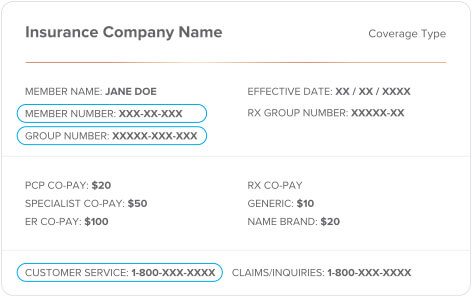
- Call the customer service number on the back of your insurance card
- Tell them that Paragard is a healthcare provider-administered method of birth control
- Ask them to check if Paragard is covered under the Affordable Care Act
- Provide them with the J code for Paragard: J7300
- Ask if you will have any out-of-pocket costs, or if Paragard is only partially covered under your plan
If your medical insurance indicates that Paragard is not covered as a medical benefit, it may be covered as a pharmacy benefit instead. Many insurance plans separate medical and pharmacy coverage, so the Paragard IUD might be covered under your prescription drug plan. To verify pharmacy benefit coverage, call the customer service number on the back of your prescription drug card and reference the same J7300 code.
What if My Health Insurance Doesn’t Cover Paragard® or I Don’t Have Health Insurance?
If you don’t have insurance, or if your insurance doesn’t cover Paragard, you may self-pay for your Paragard prescription by contacting our specialty pharmacy partner below.
